
Binance Joint Exchange Explained: Features, Safety, and User Feedback

When searching for information about “Binance joint exchange,” many users are actually referring to the broader Binance ecosystem, including its partnerships, linked platforms, or historical initiatives like the “Binance Joint” concept. It is important to clarify that Binance itself is a central cryptocurrency exchange, but the term “joint exchange” often describes collaborative trading venues, white-label solutions, or regional exchanges powered by Binance technology.
First, it is essential to distinguish between the main Binance platform and secondary “joint” or partner exchanges. Binance has previously launched initiatives like “Binance Jersey” or “Binance US,” which operate under localized regulations but are not joint ventures in the traditional sense. Instead, they are separate entities licensed to use the Binance brand. If you are asking about the overall quality of these related platforms, the general feedback is mixed but leans positive in terms of liquidity and technology.
One of the most significant advantages of using a Binance-linked exchange is the liquidity depth. Whether on the main platform or an authorized partner, the trading volume tends to be high. This reduces slippage for large trades and ensures that order books are deep. For example, advanced trading features like limit orders, stop-loss, and futures margin trading are available on nearly all Binance-related platforms. The security infrastructure—including two-factor authentication, withdrawal whitelists, and cold wallet storage—is also consistently applied across these exchanges.
However, there are important considerations regarding regulatory status and jurisdictional restrictions. A “joint exchange” under Binance’s umbrella may not be available in every country. For instance, users in the United States must use Binance.US, a separate entity compliant with local laws. Similarly, users in certain European countries may have access to Binance’s main platform but face restrictions on certain tokens or derivatives. Always verify whether the specific exchange you are using is recognized by your local financial regulator.
User feedback from various online communities highlights that the main Binance exchange receives high marks for its staking options, Launchpad token sales, and low trading fees (especially with BNB). Meanwhile, some partners or regional exchanges have reported delays in customer support or withdrawal processing during high-volume periods. This is a common pain point across all major exchanges, but it is worth noting that Binance has been actively expanding its support team and AI-based help resources.
Another factor to consider is the fee structure. Binance and its joint platforms typically use a tiered fee system that rewards high-volume traders and BNB holders. For casual traders, the spot trading fee starts at 0.10% for makers and takers, which is competitive. Partner exchanges may have slightly different fee schedules, so you should review their specific details before depositing funds.
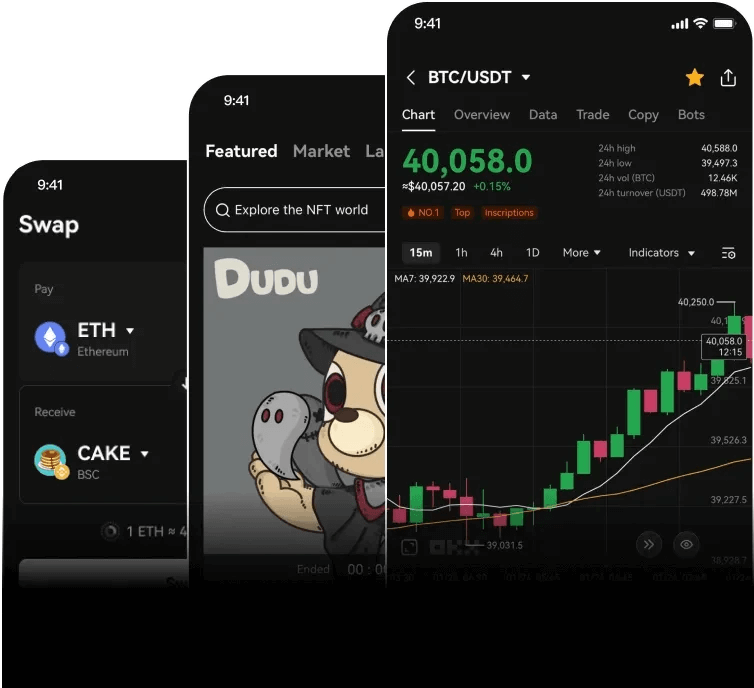
Finally, the user interface and mobile app experience are consistently praised across Binance-related exchanges. The platforms are designed for both beginners and professionals, offering dark mode, customizable charts, and a comprehensive dashboard. If you are evaluating a “joint exchange,” check if it provides the same API access and automated trading tools that the main platform offers.
In conclusion, any exchange that operates under the Binance brand or its partnership network generally provides a high standard of security, liquidity, and usability. The main risk is regulatory uncertainty or regional limitations. To get the most out of such an exchange, ensure you are using a legitimate, authorized version of Binance and that your account complies with local laws. For most crypto traders, the Binance ecosystem remains a top-tier choice—whether it is the primary exchange or a sanctioned joint platform.

发表评论