
Why Binance Became the World's Top Crypto Exchange: Key Factors and How to Get Started

In the rapidly evolving landscape of cryptocurrency trading, few platforms have achieved the dominance of Binance. Since its launch in 2017, Binance has grown from a modest startup into the world’s largest cryptocurrency exchange by trading volume. Understanding the factors behind this rise and how to effectively use the platform is essential for both new and experienced traders.
One of the primary reasons Binance became the leading exchange is its unparalleled liquidity. High trading volumes mean that orders are filled quickly with minimal slippage, which is critical for both retail and institutional investors. This liquidity attracts more traders, creating a self-reinforcing cycle that strengthens its market position.
Another key factor is the extensive range of cryptocurrencies and trading pairs. Binance lists hundreds of digital assets, from Bitcoin and Ethereum to emerging altcoins and meme coins. This diversity allows users to explore new investment opportunities without needing multiple accounts on different platforms. Additionally, Binance frequently launches token sales and initial exchange offerings (IEOs), giving users early access to promising projects.
Competitive fee structures have also played a significant role. Binance offers some of the lowest trading fees in the industry, especially for users who hold and use the platform’s native BNB token. By offering fee discounts and referral bonuses, the exchange encourages user loyalty and frequent trading activity.
From a technical perspective, Binance’s robust infrastructure ensures high performance even during periods of extreme market volatility. The platform’s matching engine can process up to 1.4 million orders per second, which reduces downtime and ensures stable execution. This reliability has been a major trust-building factor among global users.
Security is another cornerstone of Binance’s success. The exchange employs multiple layers of protection, including two-factor authentication (2FA), address whitelisting, and an industry-standard SAFU (Secure Asset Fund for Users) insurance fund. In the event of a breach, this fund compensates users for losses, further reinforcing confidence in the platform.
To start using Binance, users must first create an account on the official website or download the mobile app. Basic verification requires an email address and a phone number. For higher withdrawal limits and full access to advanced features, users must complete identity verification by uploading a government-issued ID and passing a facial recognition scan.
Once the account is set up, users can deposit funds. Binance supports deposits in cryptocurrencies from external wallets, as well as fiat currency deposits via bank transfers, credit cards, or third-party payment services. Users in supported regions can also purchase crypto directly with local currencies.
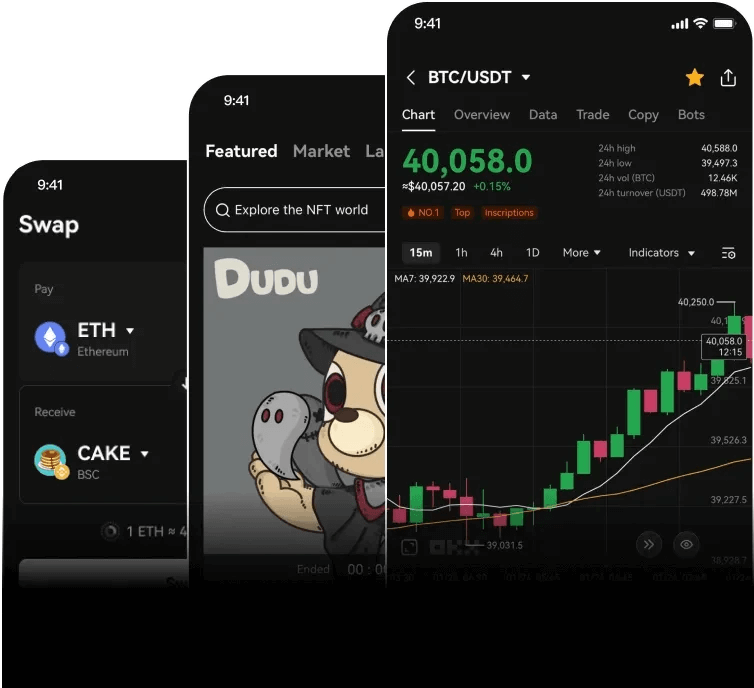
After funding the account, users can navigate to the “Trade” section. For beginners, the “Convert” feature allows for simple, instant swaps between different cryptocurrencies at the market rate. More experienced traders can use the “Classic” or “Advanced” trading interfaces, which offer real-time order books, charting tools, and various order types such as limit, market, and stop-limit orders.
Binance also offers a comprehensive suite of additional services, including Binance Earn for staking and savings, Binance Futures for derivatives trading, and the Binance NFT marketplace. These tools allow users to grow their holdings beyond simple trading, making Binance a one-stop ecosystem for digital asset management.
In summary, Binance’s dominance is built on liquidity, asset variety, low fees, technical reliability, and strong security. For users who want to participate in the crypto market, learning how to navigate this platform is a practical and worthwhile step.

发表评论